

Managing incontinence for cycling

Share this page with friends
How to manage incontinence when cycling
Can cycling cause incontinence?
Cycling is a fantastic way to stay fit, but some people wonder whether it can contribute to urinary incontinence. While cycling itself isn’t a direct cause, long hours in the saddle can place pressure on the perineal area, potentially affecting pelvic floor function.
For those who already experience bladder weakness, frequent or prolonged cycling could exacerbate symptoms if precautions aren’t taken. Ensuring proper bike fit, maintaining good posture, and wearing padded cycling shorts can help reduce excessive strain on the pelvic region, minimising the risk of cycling incontinence.
If you’re concerned about whether bike riding and urinary incontinence are linked, speaking to a physiotherapist specialising in pelvic health may provide guidance on how to adjust your cycling routine to support bladder control.
What types of incontinence can cycling cause?
The main types of incontinence that cyclists might experience include:
Stress incontinence
This occurs when physical activity or pressure on the bladder leads to urine leaks. The repetitive motion of pedalling, combined with the position of the body on the saddle, can put strain on the pelvic floor muscles. If these muscles are weak, they may struggle to support the bladder effectively, leading to leaks during or after a ride.
Urge incontinence
Also known as overactive bladder (OAB), this type of incontinence causes a sudden and intense need to urinate. While cycling itself doesn’t directly cause OAB, the pressure from an ill-fitting saddle or prolonged time in a hunched-over position may irritate the bladder, making urge incontinence symptoms more noticeable.
Overflow incontinence
This occurs when the bladder doesn’t empty completely, leading to frequent dribbling or leakage. If a cyclist experiences numbness or nerve compression from prolonged saddle pressure, bladder function may be affected. This is more common in long-distance cyclists who spend hours in the saddle without shifting position.
Neurological-Related incontinence
Extended periods of pressure on the perineal area can sometimes lead to nerve irritation or minor damage, affecting the signals between the brain and bladder. This can temporarily impact bladder control, leading to urinary incontinence while cycling or shortly after a ride. Proper saddle choice and regular position changes can help prevent this issue.
Is cycling bad for pelvic floor?
The relationship between cycling and pelvic floor health largely depends on factors such as riding posture, saddle choice, and individual muscle strength. Cycling in a hunched-over position can lead to increased pressure on the pelvic floor, which may contribute to symptoms of urinary incontinence while cycling.
However, when done correctly, cycling can also be beneficial for overall fitness without significantly weakening pelvic floor muscles. Choosing a well-padded saddle with a cut-out design can help alleviate unnecessary pressure. Additionally, alternating between seated and standing cycling positions can relieve tension and improve circulation in the pelvic area.
If you’re experiencing discomfort or worsening incontinence symptoms after cycling, incorporating pelvic floor exercises into your routine can help counteract any negative effects and improve bladder control.
Managing incontinence for cycling
Choose the right incontinence products
Stay hydrated
Overall staying properly hydrated is key to managing urinary incontinence and maintaining bladder health.
- Drink 6–8 glasses of water daily to stay hydrated and prevent bladder weakness.
- Dehydration can cause concentrated urine, which can irritate the bladder or lead to UTIs.
- Balance hydration while exercising: Too little water can worsen symptoms, while too much can aggravate urge incontinence. Find what works best for your body.
Strengthen your pelvic floor
Building a strong pelvic floor is a really important part of helping to reduce your bladder leaks. They’re easy to perform and come with huge benefits, ust see more on this below and watch our video to help! If you’re living an active lifestyle then getting in some pelvic floor exercises is going to be really beneficial in the long run.
Invest in the right gear
Beyond incontinence products, your cycling attire can make a significant difference. Opt for padded cycling shorts that provide extra cushioning and reduce direct pressure on the perineal area. Some cyclists find that a split-nose saddle or ergonomic seat can help alleviate discomfort and minimise the risk of aggravating cycling incontinence symptoms.
Additionally, moisture-wicking underwear can help keep you feeling fresh and comfortable during longer rides, reducing irritation and potential chafing from absorbent products.
Plan your cycling routes
When managing urinary incontinence while cycling, choosing your route wisely can help ease any concerns. Plan rides along paths with accessible restrooms or places where you can take a discreet break if needed.
Shorter, more frequent rides may be preferable to long-distance cycling sessions, allowing you to stay active while reducing the risk of discomfort or accidents. If you're worried about sudden urges, consider cycling closer to home or in areas with convenient facilities.
Warm up and stretch
Incorporating a proper warm-up before cycling can help activate your core muscles, including those that support your pelvic floor. Gentle stretches, light cardio, and pelvic floor exercises can prepare your body for bike riding, reducing strain and improving bladder control.
Post-ride stretching is equally important, especially for the lower back and hip flexors. These areas can become tight from prolonged cycling, which may indirectly affect pelvic floor function.
Example of a Stretch:
Hip Flexor Stretch: Stand with one foot forward and the other leg back, then gently lower your hips, stretching the front of the hip. Hold for 15–30 seconds and repeat on the other side. This helps alleviate tension in the lower back and pelvic area.
Listen to your body
If you notice that certain cycling habits are making your incontinence worse, take a step back and evaluate what might be causing the issue. Adjusting your riding posture, changing your saddle, or modifying the intensity of your rides can all help in managing symptoms.
1. Reduce your risk of developing incontinence
One of the primary functions of the pelvic floor is controlling the release of your poo and wee. Weak pelvic floor muscles can lead to leakage when sneezing, coughing, or even laughing. Similarly, faecal incontinence, although less talked about, can also result from pelvic floor weakness. Building and maintaining a strong pelvic floor not only reduces your risk of developing incontinence, but it’ll also help you regain control if you’re already incontinent.
2. Pregnancy and postpartum health
This one’s just for the females. During pregnancy, your body undergoes big changes. During this time, the pelvic floor experiences added stress. Strong pelvic floor muscles can help support a growing uterus, reducing the risk of complications like pelvic organ prolapse. Strengthening these muscles after giving birth helps with recovery and helps to prevent long-term issues, such as stress urinary incontinence. You can read all about postpartum leakage here.
3. Back and pelvic stability
Beyond maintaining continence and keeping your organs in place, a robust pelvic floor can contribute to overall body stability. These muscles work with the abdominal and back muscles to support the spine and pelvis. A weak pelvic floor can lead to issues like lower back pain and pelvic instability, affecting your mobility and quality of life. Read our blog on how to build a strong pelvic floor and why it's important to learn more.
Kegel’ing is usually the go-to pelvic floor exercise. They’re really simple and you can perform them absolutely anywhere, anytime.
How to perform a kegel:
Kegel exercises are a simple and effective way to strengthen your pelvic floor muscles, which play a crucial role in controlling bladder function. These exercises can be done anywhere, at any time, and don't require any special equipment. Regularly practising Kegels can help improve bladder control, reduce incontinence symptoms, and support overall pelvic health. Here’s how to do them correctly:
- Empty your bladder before starting
- Imagine you’re urinating and you suddenly need to stop mid-stream (alternatively, imagine you are trying to stop passing wind)
- You should feel a contraction inside your body in the pelvic area
- Hold the contraction for 3 to 5 seconds, then release
- Wait 3 to 5 seconds and then repeat the contraction
- You can perform this stood up, sat down, or lay down
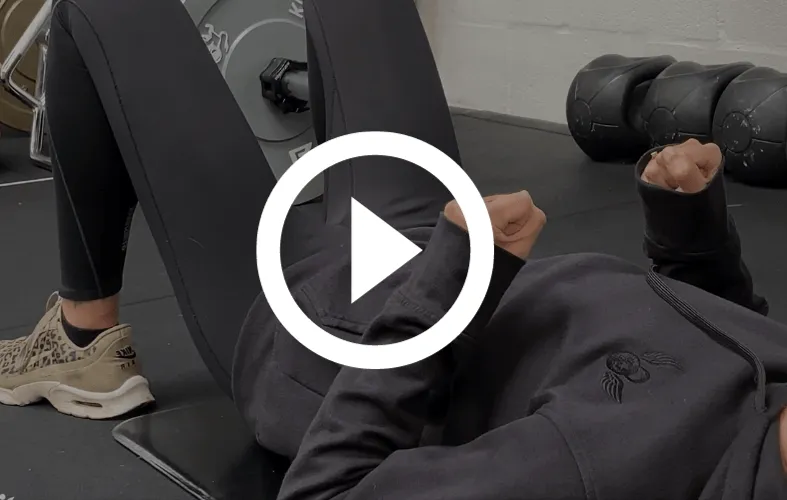
If you’re keen to learn some more techniques, why not watch our Youtube video? We enlisted the help of our friendly personal trainer, Natalie Small, to run through some pelvic floor exercises that will keep your bladder in tip-top shape.
Browse incontinence products and keep cycling today
If you’re looking for some products to use to support your incontinence while cycling, why not see what we have to offer at Incontinence Choice? Whether you need disposable adult nappies, disposable incontinence pants or anything else, we have it.
We have a huge selection of products for both males and females from brands such as Vivactive, TENA, iD, Always, Attends, and more. Find the right products for you today!