


Share this page with friends
What drinks are good for incontinence?
If you’re experiencing bladder weakness or urinary incontinence, it’s in your best interest to keep your bladder strong and in tip-top condition. So, what are the best drinks for incontinence? We’ve talked previously about different foods you can eat to help boost your bladder, but what about drinks? Believe it or not, there are plenty of things you can drink to help improve your bladder health. Some you might know already, some you might not!
Wearable incontinence items like pads and disposable pants are definitely an important part of managing your leaks, but they won’t solve the root cause of your problem. In the long term, you’re going to save money and have a better quality of life by making some health and lifestyle changes. One of those changes might be adding in some of the bladder-boosting beverages that we’ll talk about in this article.
There are certain drinks that can support you in creating a healthy bladder, they can reduce the risk of infections, and support your urinary system's proper functioning. So, let’s break it down and explore three drinks with known bladder benefits.
Best drinks for incontinence
Water
Flush out all of those nasty toxins
It dilutes your urine
Helps to prevent kidney stones
2. Cranberry juice
Cranberry juice has long been touted for its antioxidant properties which are known to help prevent UTIs, solidifying its addition to this list as one of the best drinks for incontinence. As we’ve mentioned a few times, UTIs are something we are really, really, trying to avoid. So incorporating a glass or two of cranberry juice into your day will help you keep on top of it. You can usually pick some up for a reasonable price in most supermarkets. Plus, it tastes really nice.
Proanthocyanidins (PACs)
We’ve mentioned that cranberries contain antioxidants, but what do they do exactly? Cranberries contain a type of antioxidant called proanthocyanidins. It’s a bit of a mouthful, but essentially, these compounds prevent bacteria from damaging your bladder walls. By keeping the bacteria at bay, cranberry juice helps to reduce infections developing and spreading.
It’s acidic (don’t worry, not in a harmful way!)
Cranberry juice has a natural acidity which can create an environment that makes it difficult for bacteria to grow and spread. Some overly acidic drinks like alcohol can irritate your bladder, but cranberry juice, when drank in moderation, strikes a beneficial balance.
Rich in Vitamin C
Cranberry juice is also a good source of Vitamin C, which enhances the immune system. A robust immune system can better fight off infections, including those that affect the urinary tract and bladder.
3. Herbal teas
Sitting down and enjoying a cuppa is a quintessential part of British life. It’s rare to enter someone's house without being offered a nice cup of tea. Well, if you have bladder weakness, you can still enjoy a good old cuppa knowing that the nutrients can help keep your bladder in good nick.
The only catch here is you might want to avoid your traditional black tea. There’s more caffeine than you might think in black tea which can irritate your bladder. Herbal tea, on the other hand, they’re great. So, which ones are best?
Chamomile Tea
Chamomile tea is well known for its anti-inflammatory properties. If you’re experiencing an irritated, or inflamed bladder, a cup or two of chamomile tea can help. It’s also thought to help with other ailments like cystitis, a type of UTI.
Peppermint Tea
Peppermint tea has antispasmodic properties. Antispasmodics are a group of medicines that can help to control some symptoms that arise from the gut such as tummy pain and cramp. These helpful properties can help relax bladder muscles and reduce bladder spasms. This can be especially beneficial for people with an overactive bladder.
Corn Silk Tea
Corn silk tea is made from the silky threads found on corn. It’s commonly used to help treat bladder infections in traditional Chinese medicine. It’s thought to soothe and relax the lining of the bladder and urinary tubules, reducing irritation and increasing urine secretion.
4. Aloe vera juice
Aloe vera - that amazing plant that's super soothing for sunburns? Well, it turns out it's not just good for your skin! It can actually do wonders for your bladder too. Aloe vera juice can help to soothe the urinary tract and reduce inflammation, making it a good choice if you're experiencing bladder discomfort. Remember to choose a pure aloe vera juice with no added sugar, and as with all of the best drinks for incontinence, enjoy it in moderation
5. Decaf Tea
If you're a tea lover but find that regular tea irritates your bladder, decaf tea can be a good alternative. Decaf tea still contains antioxidants and can contribute to your fluid intake without the diuretic effect of caffeine. There's a wide variety of decaf teas available, so you can experiment with different flavours to find your favourites. Whether you prefer a classic decaf black tea or a fruity herbal blend, decaf tea can be one of the best drinks for incontinence when enjoyed as part of a balanced diet.
What else can I do to build a strong bladder?
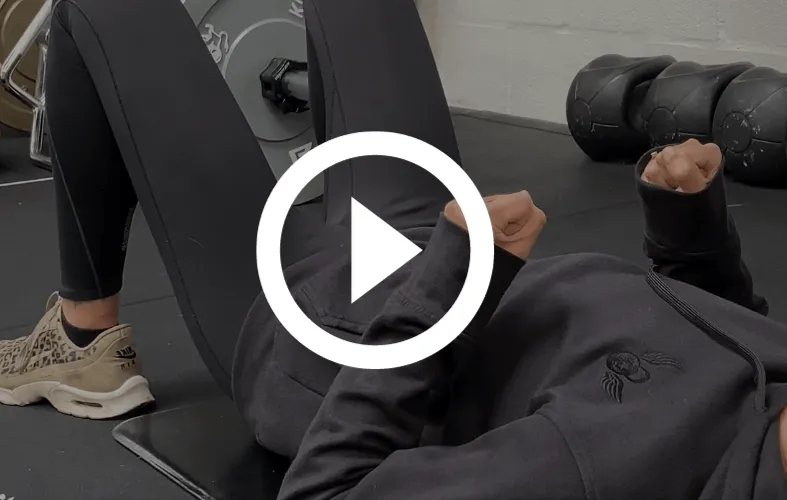
Pelvic floor exercises:
Try out some bladder supplements:
We know the struggle, and we want to make a real difference in your life. That's why we're excited to say that Vivactive bladder supplements can visibly reduce leakage in just 8 weeks. Our clinically tested formula is a groundbreaking achievement in the incontinence market, boasting a 69% reduction in night-time leaks. Nocturia (leaking at night time) is a super common type of incontinence and one that most people could do without. You can reclaim control of your nighttime leakage.
Vivactive Bladder Supplements have been rigorously tested and proven to deliver fantastic results. Our team of experts have created a market-leading formula to delight our customers with a product that’s affordable, activates quickly, and most importantly, works!
We’ve always been committed to providing premium quality incontinence products at prices that won't burn a hole in your pocket. Our bladder supplements are no exception. You deserve effective solutions without compromising on quality or affordability.
Bladder training
Bladder training involves gradually increasing the time between bathroom visits. It helps to retrain your bladder to hold larger volumes of urine and reduce those pesky feelings of urgency. Start by trying to hold on for a little longer than usual, gradually increasing the intervals over time. This technique can be surprisingly effective in improving bladder control and reducing incontinence episodes.
Maintain a healthy weight
Excess weight can put extra pressure on your pelvic floor muscles, weakening them and contributing to incontinence. Losing even a small amount of weight can make a noticeable difference in your bladder control. Combine a healthy diet with regular exercise, including those all-important pelvic floor exercises, to support your weight loss goals and improve your bladder health.
Manage constipation
Straining due to constipation can also strain your pelvic floor, making incontinence issues worse. Ensure you're eating a high-fibre diet with plenty of fruits, vegetables, and whole grains. Staying well-hydrated is also crucial, so make sure you're drinking plenty of water, and maybe some of the other best drinks for incontinence that we’re suggesting.
Drinks to avoid when living with incontinence
Caffeine
Caffeinated drinks like coffee, tea, and energy drinks act as diuretics, increasing urine production and potentially worsening incontinence symptoms. Caffeine can also irritate the bladder, leading to discomfort and making you need to go to the toilet. If you're a coffee enthusiast, try switching to decaf or limiting your intake to see if it makes a difference in your bladder control.
Fizzy drinks
Carbonated drinks, even those without caffeine, can irritate the bladder and trigger urgency. The bubbles in fizzy drinks can put extra pressure on your bladder, making leaks more likely. If you enjoy a sparkling drink, opt for sparkling water with a splash of fruit juice instead of sugary sodas.
Alcohol
Want to learn more about this? See our blog on why alcohol is a bad choice for people with bladder weakness.
Citrus drinks/fruits
Milk products
Artificial sweetened drinks
Browse our incontinence products today
We have a huge selection of products for both males and females from brands such as Vivactive, TENA, iD, Always, Attends, and more. Find the right products for you today!