


Share this page with friends
Natural remedies for bladder weakness in older people
The focus of this article is on natural remedies, and they’re a great first step. They can provide some great long-term benefits and will be super helpful if you decide to keep it up while exploring other options. Using our helpful tips, you can support a stronger bladder and improve your quality of life.
The different types of urinary incontinence
Urge incontinence: a sudden, intense urge to pee followed by leakage.
Overflow incontinence: when your bladder doesn’t completely empty. Which leads to frequent dribbles.
Functional incontinence: physical or mental impairment prevents getting to the toilet in time.
Now that you understand a little more about the types of bladder weakness, let’s dive into our tips and tricks for natural ways to manage incontinence and support a stronger bladder.
1. Pelvic floor exercises
Pelvic floor exercises are super easy to perform, and you can do them anywhere, at any time, without anyone noticing. The most common and easiest to perform is the humble Kegel. Kegel’ing is usually the go-to pelvic floor exercise. They’re really simple, and you can perform them absolutely anywhere and at any time.
How to perform a kegel:
- Empty your bladder before starting
- Imagine you’re urinating and you suddenly need to stop mid-stream (alternatively, imagine you are trying to stop passing wind)
- You should feel a contraction inside your body in the pelvic area
- Hold the contraction for 3 to 5 seconds, then release
- Wait 3 to 5 seconds and then repeat the contraction
- You can perform this stood up, sat down, or lay down
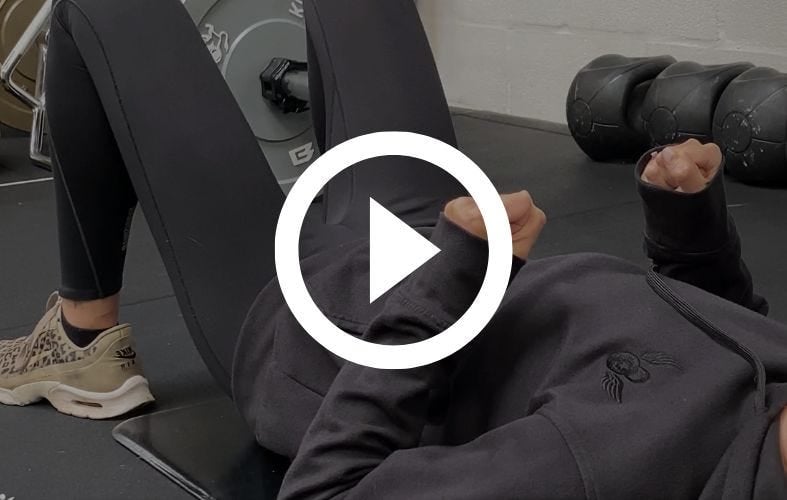
There are plenty of useful pelvic floor exercises that you can try at home. If you’re keen to learn some more techniques, why not watch our YouTube video? We enlisted the help of our friendly personal trainer, Natalie Small, to run through some pelvic floor exercises that will keep your bladder in tip-top shape.
2. Maintain a healthy weight
- Walking: Walking is a low-impact exercise that will help to maintain your overall fitness. Walking outside also has lots of mental health benefits and can improve your general well-being. If you’re worried about having bladder leaks whilst you’re on the go, you can find some helpful products in our article: How to choose incontinence products for active lifestyles.
- Yoga: Yoga is a great way to stay limber, improve your mobility, and even strengthen your pelvic floor muscles. If you’re not sure which poses to try, take a look at our article, which outlines some incontinence-friendly yoga positions.
- Swimming: Swimming is definitely tougher than the other two exercises we’ve talked about. But, it gets a special mention as it’s widely renowned as a joint-friendly exercise that’s great for building strength and losing weight.

3. Herbal remedies and useful supplements
Popular herbal remedies and supplements
- Pumpkin seed extract: Known for its potential to strengthen bladder muscles and improve urinary function.
- Vitamin D: Vitamin D is essential for muscle health and can support the proper functioning of your pelvic floor muscles. Studies suggest that people with lower levels of vitamin D may be at a higher risk of urinary incontinence.
- Corn silk tea: Corn silk tea is made from the silky threads found on corn. It’s commonly used to help treat bladder infections in traditional Chinese medicine. It’s thought to soothe and relax the lining of the bladder and urinary tubules, reducing irritation and increasing urine secretion.
- Magnesium Supplements: Magnesium plays a key role in muscle function. Taking a magnesium supplement can help relax bladder muscles and reduce the symptoms of urinary incontinence.
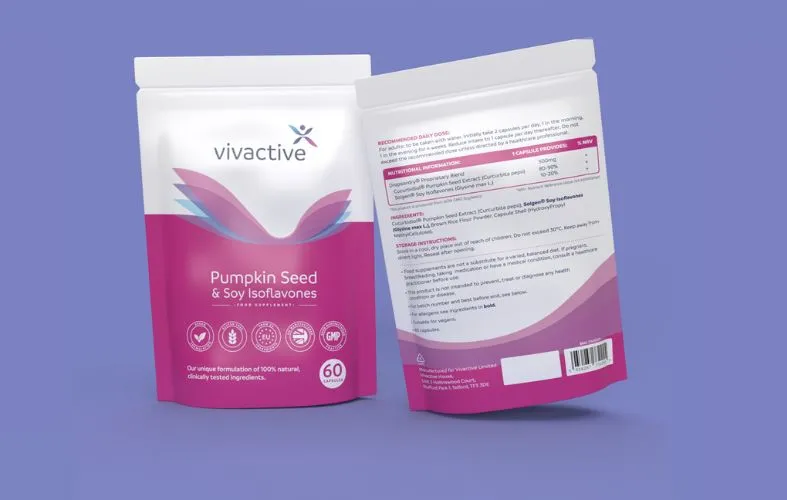
Our industry-leading bladder supplements are created with a blend of pumpkin seed extract and soy isoflavones to deliver a bladder-boosting experience. It was our mission to create a supplement that’s affordable, but also delivers the best results on the market. We’ve accomplished that mission. We’re totally thrilled to bring our amazing customers another product we can be proud of.
4. Manage your stress and anxiety
- Try meditation
- Deep breathing
- Walking
- Yoga
- Stay socially connected, talk to people
- Listen to music
- Limit your caffeine intake
- Get a good night's sleep
- Do some gardening
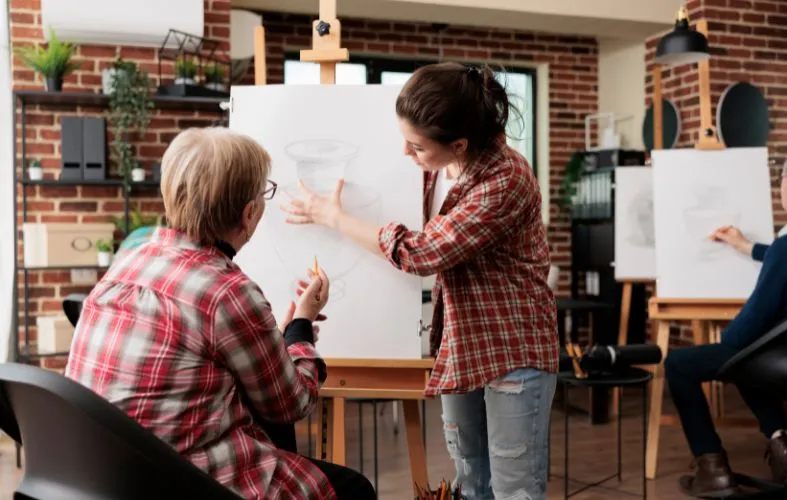
- Painting, knitting, or writing
5. Stay hydrated
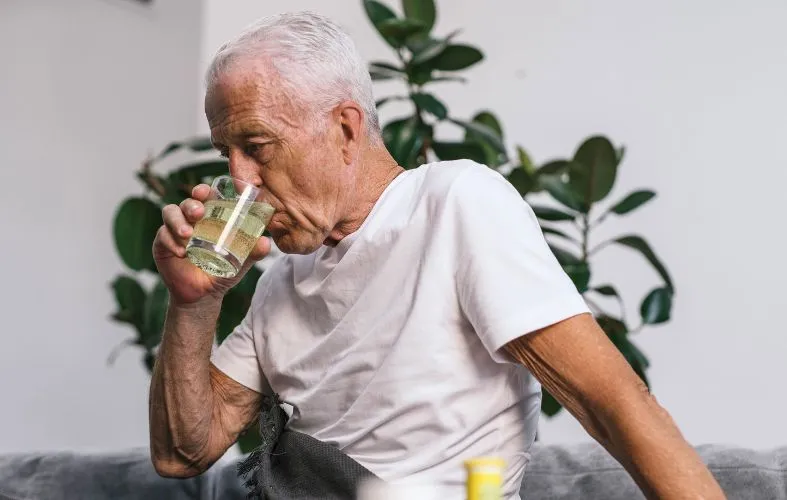
You may think that avoiding drinking water or other liquids is the right thing to do, but it isn’t. People with urinary incontinence are encouraged to still drink the recommended allowance of water. If you dehydrate yourself, you could potentially put yourself in danger. Especially in the summer. Plus, dark, concentrated urine that comes with dehydration can irritate your bladder or cause a UTI. In fact, it’s thought that dehydration is one of the leading causes of UTIs. UTIs are really, really bad for people with bladder weakness and should be avoided at all costs.
By drinking enough water, you’ll keep your urine diluted, minimising bladder irritation. Aim for champagne. Not the bottle, but the colour. The best way to tell if you’re drinking enough is to have a quick look at your pee.
6. Food and drinks to support a stronger bladder
What’s a more natural remedy than food and drink? By incorporating some bladder-boosting food and drink and cutting out bladder irritants, it can help you maintain control of your bladder and support your long-term management plan.
Here are some top foods and drinks to include in your diet to help with incontinence:
- Water: It’s quite a common misconception that drinking less water will help people with their bladder leakage. This, however, is not true. In fact, dehydration will cause your urine to concentrate and irritate your bladder, making things much worse. So, make sure you’re drinking plenty of water!
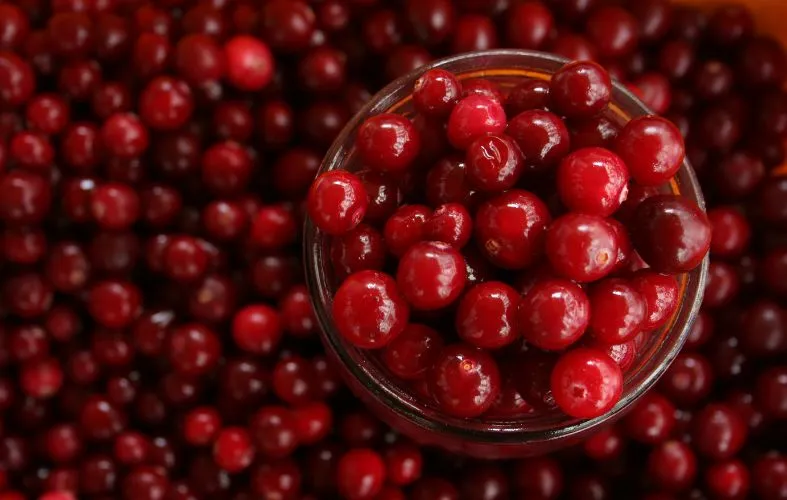
- Cranberries: They contain compounds called proanthocyanidins (a big word to describe the chemical that gives fruits and flowers their colours) which can help prevent bacteria from sticking to the bladder walls, reducing the risk of infection. Cranberries can be enjoyed as a snack or a tasty juice drink. Both are easily obtainable from the supermarket.
- Fruit, vegetables & whole grains: Foods high in fibre, such as fruit, vegetables & whole grains, will help ease constipation. This is important as constipation can put pressure on your bladder, adding to the risk of leakage. Keeping the digestive system regular with a high-fibre diet can help to soften your poop and ease pressure on your bladder.
- Leafy greens: Spinach and kale are rich in vitamin C, which can help prevent urinary tract infections (UTIs). UTIs are an absolute nightmare for people experiencing bladder weakness, so anything you can do to avoid them, the better!
- Bananas: They’re an excellent source of potassium, which can help regulate fluid balance in the body. This can be particularly helpful for those with incontinence, as too much fluid can put pressure on the bladder.
Food & drink that can make your incontinence sypmtoms worse:
- Coffee (caffeine in general): Unfortunately, coffee and caffeine have diuretic effects, which can irritate the bladder lining and worsen symptoms. A diuretic is a substance that increases urine production and can make incontinence worse.
- Fizzy drinks: Fizzy drinks like lemonade, cola and sparkling water can be problematic because the bubbles can create gas in your bladder, leading to urgency and leaks.
- Alcohol: Lots of people enjoy a drink here and there, but, like coffee, it’s actually a diuretic. If you’re experiencing bladder weakness then it’s a good idea to stay away from alcohol.
- Spicy food: Spicy foods and artificial sweeteners have also been linked to bladder irritation and incontinence.
7. Bladder training (also known as a toilet schedule)
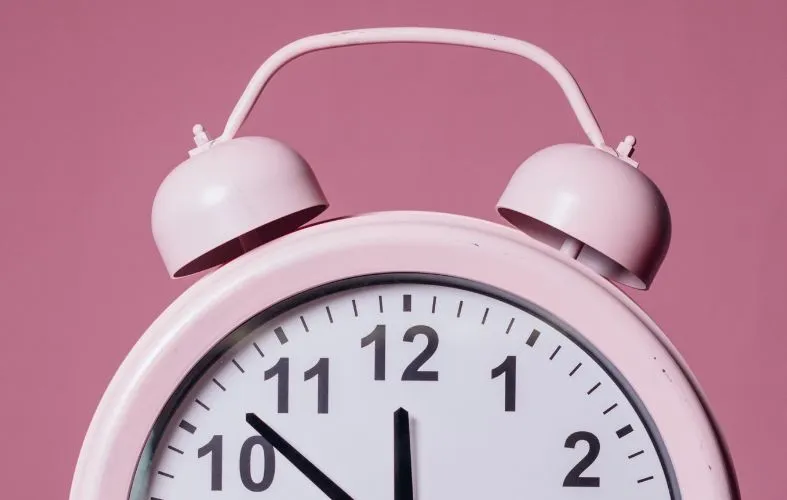
Some people have found it beneficial to set up a toilet schedule to avoid being caught short. Rather than waiting for the urge to pee, you can be proactive and empty your bladder in advance. This is sometimes called timed voiding or bladder training. By setting a toilet schedule, you can help to reduce your risk of having an accident.
It might seem like a bit of an odd thing to do at first, but if you stick with it, you can regain some control over your incontinence. So, to get started: Pick a time period to go to the loo. For instance, every 1.5 hours, even if you don’t feel the urge (more often or less often based on your own personal needs). Over time, try to increase the intervals between toilet trips.
8. Avoid smoking
Smoking isn’t necessarily an obvious contributor to incontinence. You might be thinking ‘how can inhaling smoke affect my bladder?’ - well, over time, the chronic coughing caused by smoking puts pressure on your pelvic floor muscles, weakening them. As discussed previously, a weak pelvic floor is a direct contributor to urine leaks.
On top of this, the chemicals inside of cigarettes build up in your urine, negatively affecting your bladder lining and raising your risk of bladder cancer.