

Share this page with friends
How to Support a Loved One Living With Bladder Weakness
Supporting someone with bladder weakness can feel challenging at times, and it’s okay to admit that.
Whether you’re recently stepping into the role of a caregiver or simply want to be there for a friend or family member, it’s natural to feel like you’re out of your depth.
However, the good news is, with so many resources and products out there to support incontinence, the main thing you need is patience, empathy, and a willingness to learn alongside your loved one.
The Basics Of Bladder Weakness & Incontinence
First of all, bladder weakness and incontinence both refer to the same thing here: those unexpected leaks.
You might be surprised to learn that incontinence is far more common than you think, affecting millions of people, young and old, and doesn’t define who they are.
It’s also not a condition restricted to the older generation or a sign that “time’s caught up” with them; rather, it’s a manageable reality that countless individuals, of all ages, live with every day.
By approaching the topic with openness (and the right language), you can help lift the weight of embarrassment and replace it with confidence and comfort.
In this article, you’ll find straightforward insights into what bladder weakness looks and feels like, why it happens, and how you can offer practical, compassionate support from choosing the right protection to striking the right tone in conversation.
Understanding Bladder Weakness: What You Need to Know
Bladder weakness isn’t always easy to talk about for those who are experiencing it. Unfortunately, despite the fact that an estimated 1 in 5 people face bladder weakness in the UK, there remains a stigma and shame that we are always working to undo.
Whilst the journey towards complete confidence can take time for those facing incontinence, your understanding is the first step toward offering your loved one real support.
What It Is (& What It Isn't)
Bladder weakness refers to the unintentional loss of bladder control, often resulting in leaks. For some, this happens during physical activity, for others it could be when laughing or coughing, or seemingly out of nowhere with a sudden urge.
Urinary incontinence caused by bladder weakness affects everyone slightly differently. It might mean a few drops, a heavier flow, or anything in between.
What it’s not is a personal failure or something to feel ashamed of. It’s a common experience that can happen for any number of reasons, and while it can feel daunting at first, it is manageable with the right support and products.
Why It Happens
Bladder weakness can truly affect anyone, but it’s more common as people age or live with long-term health conditions. Some of the most common causes include:
- Weakened pelvic floor muscles
- Mobility issues or limited access to toilets
- Medication side effects
- Health conditions like Parkinson’s, stroke, dementia, or diabetes
- Conditions related to the prostate in men, including an enlarged prostate
- Stress, anxiety, or lifestyle factors
Because of how varied the causes are, the frequency of leaks or how long someone experiences them can differ greatly. With 1 in 3 people in the UK reportedly experiencing some form of urinary incontinence or leaks at some point in their lives, even if only for a time.
Sometimes it’s temporary. Sometimes it’s ongoing. Either way, there are tools and techniques that can help manage the side effects of bladder weakness so that it does not impact someone’s daily life.
The Emotional Impact Of Incontinence
Living with bladder weakness can have just as much of an emotional impact as a physical one. Your loved one might feel embarrassed, anxious about going out, or reluctant to talk about it, even with those closest to them.
That’s where you come in. Being informed, patient, and open can help break the silence. Don’t put too much pressure on yourself; you don’t need to have all the answers.
Just being able to show up for your loved one with understanding is plenty.
How You Can Help With Support That Makes a Difference
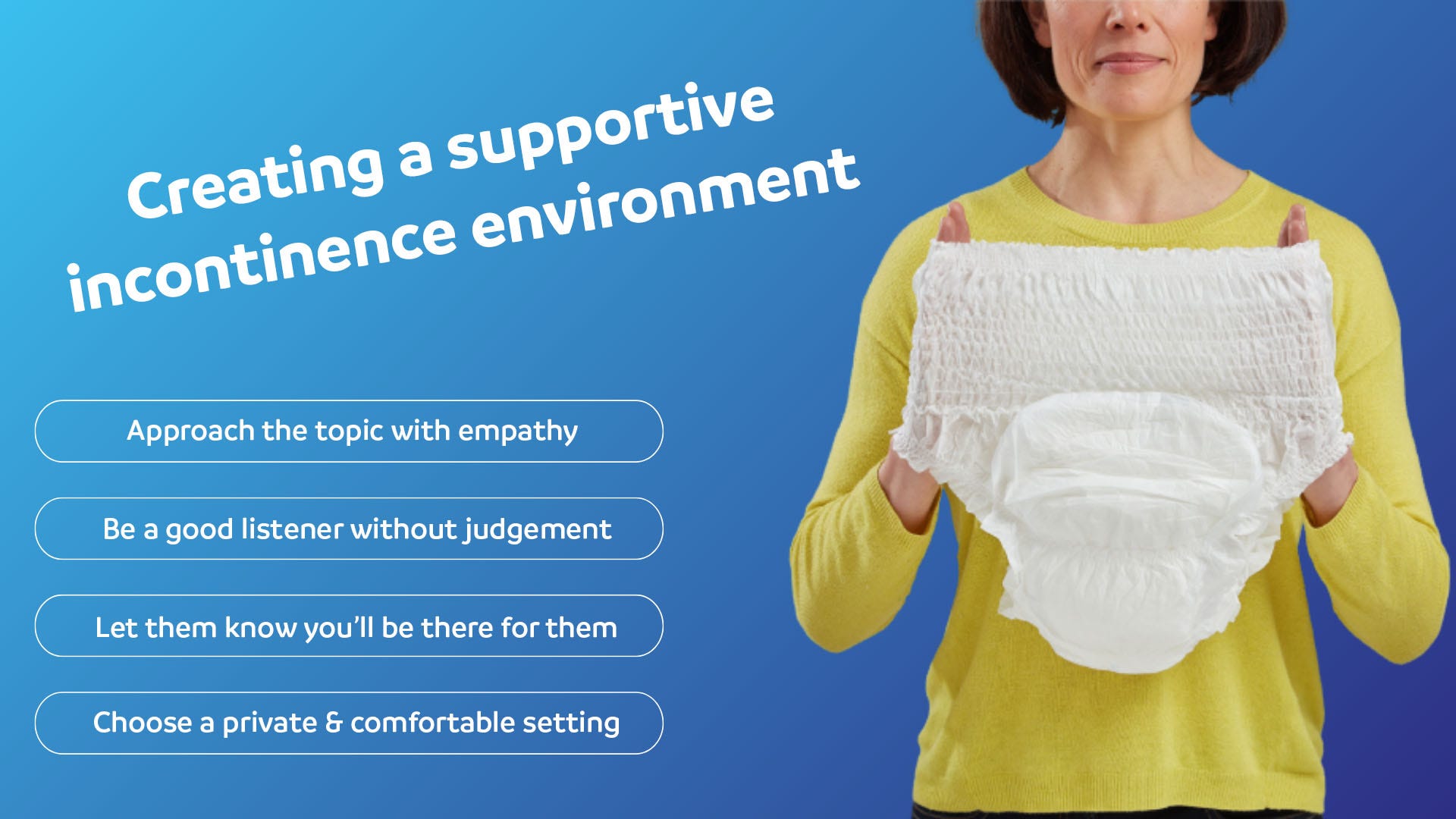
When someone you care about is living with bladder weakness, it’s only natural to want to step in and help. Knowing how to help without overstepping or making things awkward is key here.
Depending on your loved one's mobility and health, do your best to try not to take over. More than ever, now is the time to empower them to feel confident, comfortable, and in control.
Here’s how to do that with care, respect, and reassurance.

1. Let Them Lead the Conversation
Bladder weakness can sometimes feel like a sensitive topic. If they haven’t directly brought it up yet, don’t force the issue. But do make it clear you’re open to talking about it when they’re ready.
If they do confide in you, listen without jumping straight into problem-solving. Sometimes what they need most is simply to be heard.
2. Respect Their Level Of Discretion
Protecting someone’s dignity means giving them space to manage things privately, especially when it comes to products or hygiene.
- Avoid drawing attention to changes in their routine or clothing.
- Don’t mention leaks in front of others, even with good intentions.
- If you help with laundry or supplies, do it without any fuss.
Discretion shows respect and builds trust.
3. Help Them Find The Right Products
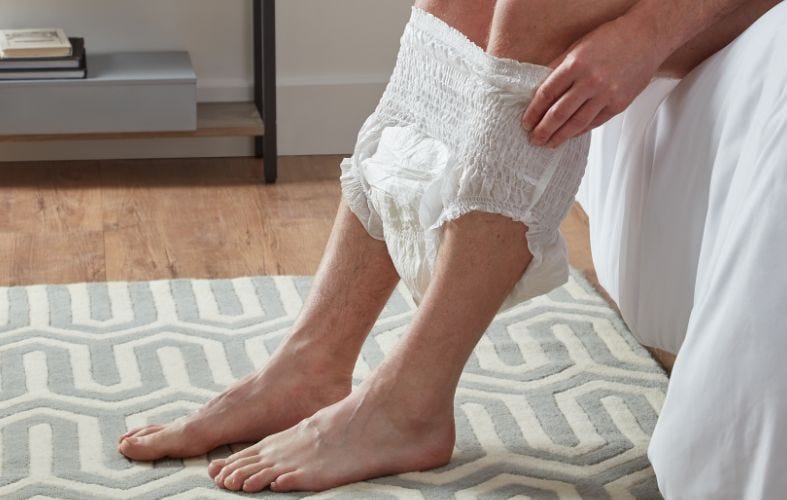
Finding the right protection can make a huge difference to someone’s day-to-day confidence. Fortunately, there are so many great brands and product ranges out there, it’s more about finding the right fit for them.
If they’re open to it, you can help by:
- Suggesting brands and ranges based on your own research
- Looking for subtle, comfortable options that suit their lifestyle
- Setting up repeat deliveries or subscriptions so they’re never caught short
We have loads of resources and articles available to help get you started on finding the right products. To learn what your options are, check out our complete guide to incontinence products.
4. Make Life Easier, Not Smaller
Bladder weakness shouldn’t shrink someone’s world. However, the sad reality is that many who start to experience incontinence find themselves less comfortable with being as active or social as they once were.
The right support can help them do more of the things they love.
You can help by:
- Planning ahead when travelling or going out (know where toilets are, carry a change kit just in case)
- Keeping access to the bathroom or toilet clear at home
- Suggesting clothing that’s easier to change, without compromising style or comfort
- Encouraging regular hydration and gentle exercise to support bladder health
5. Use Positive, Respectful Language
This is perhaps the most impactful way we can help our loved ones, as the way we talk about leaks matters. Words like “accident” or “problem” can feel loaded, even if unintentional and well-meaning.
Instead, use terms like:
- “protection” (not “nappies” or “diapers”)
- “experiencing leaks” (not “suffering from” or “dealing with”)
- “support with leaks” (not “fixing the issue”
- “bladder weakness” or “leaks” (not “wetting”)
Language shapes mindsets, but don’t feel disheartened if you’ve read the above and worry you’ve been saying the wrong thing.
Going forward, choosing your words carefully helps reduce embarrassment and normalises the experience.
Final Thoughts: Small Steps, Big Impact
Many often feel isolated when they begin to experience bladder weakness, but it doesn’t have to be that way.
With the right support, understanding, and a little patience, your loved one can continue living confidently and comfortably. You don’t need to have all the answers. Just being there, staying calm, and helping them feel in control is more powerful than you might realise.
If you're ever unsure of what to say or do, come back to the basics: empathy, privacy, and practicality. And if you ever feel out of your depth, that’s okay too. There’s support for both of you, and no one has to navigate this alone.
Guidance For You & Your Loved One:
There is so much great information out there on bladder weakness and incontinence, it’s just a matter of knowing where to look. Here are support articles to get you started:
- What Is Urinary Incontinence?
Learn more about bladder weakness and the different types of urinary incontinence.
- 4 Foods To Keep Your Bladder Healthy And What To Avoid
Learn about some of the food you can eat to maintain a healthy bladder, as well as what you ought to avoid.
- Everything You Need To Know About Incontinence
A complete walkthrough of the most common incontinence products, who they are suited for and how they work.
- The Best Incontinence Products for Men
Looking for specifics? This guide breaks down some of the best men’s incontinence products on the market.
- Top Recommendations For Ladies' Incontinence Pants
Looking for specifics? This article guides you through the leading incontinence pants for women and explains who they’re suited for.